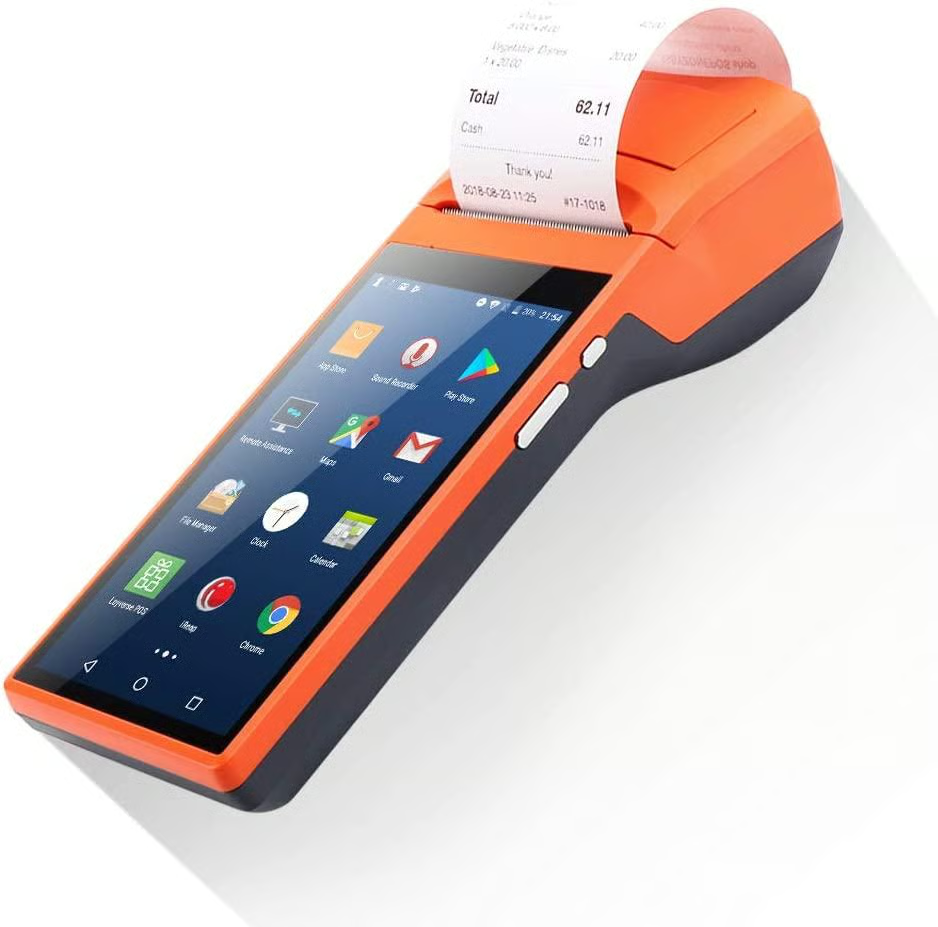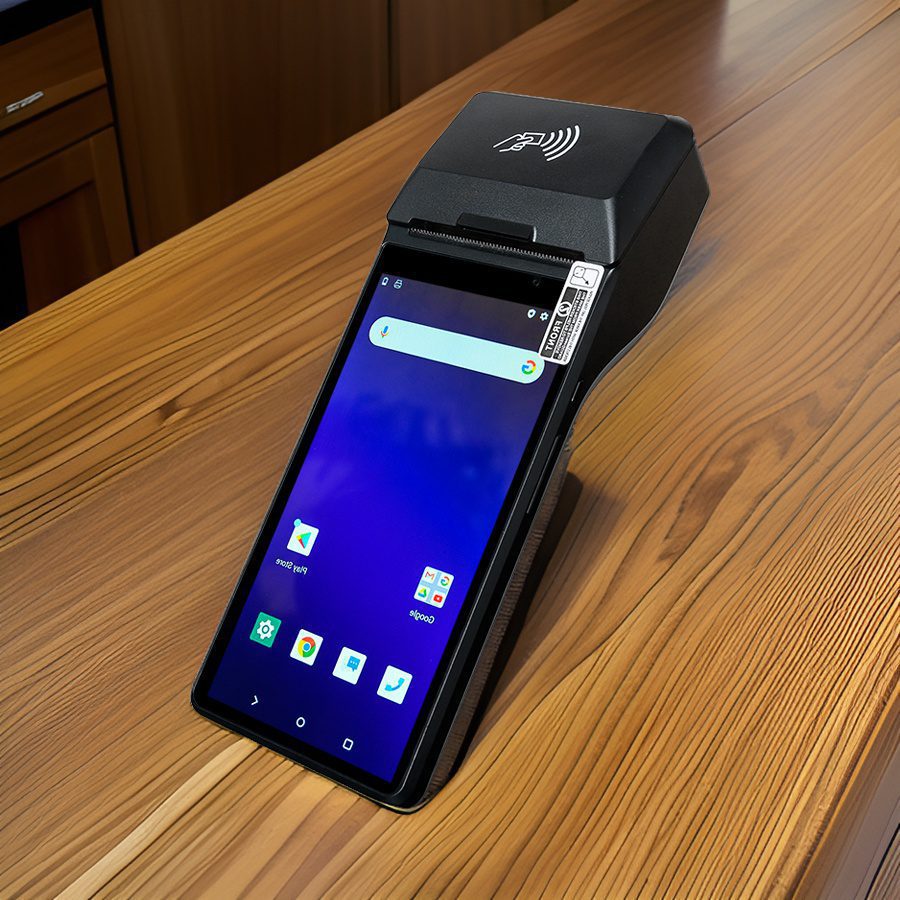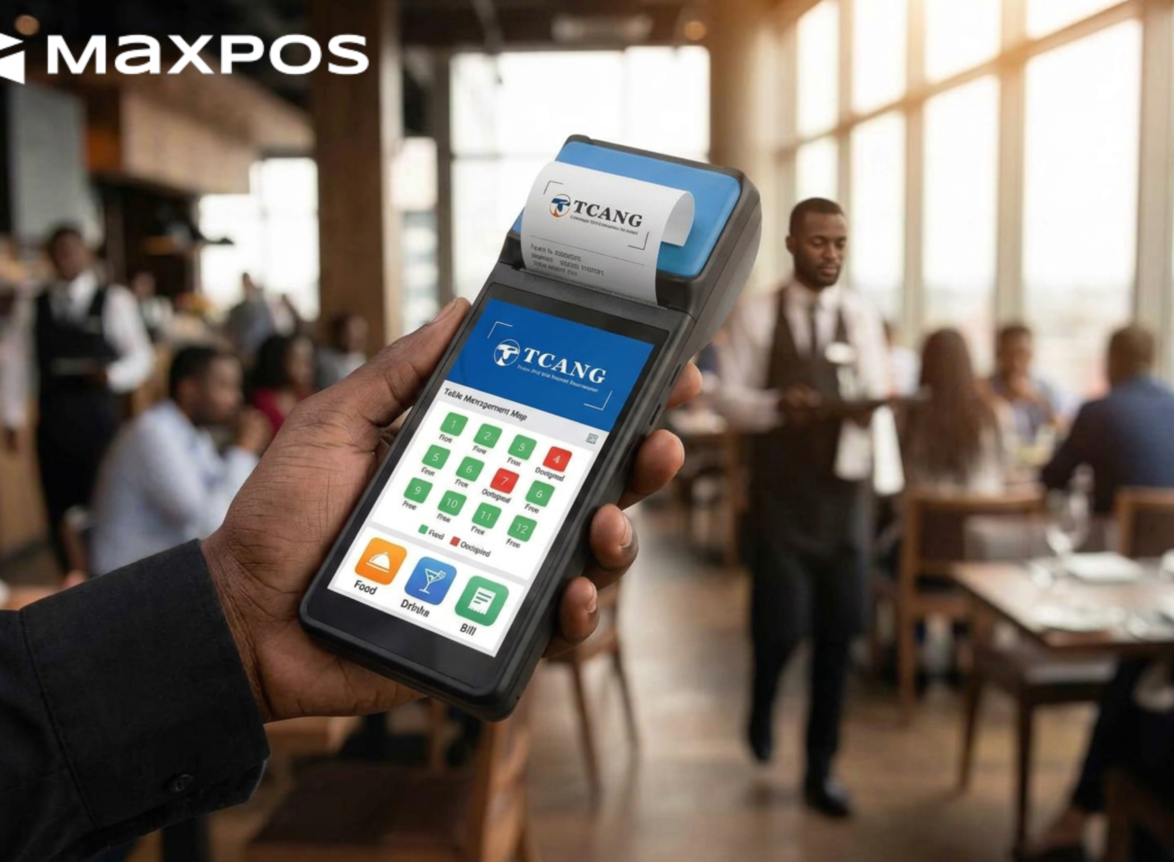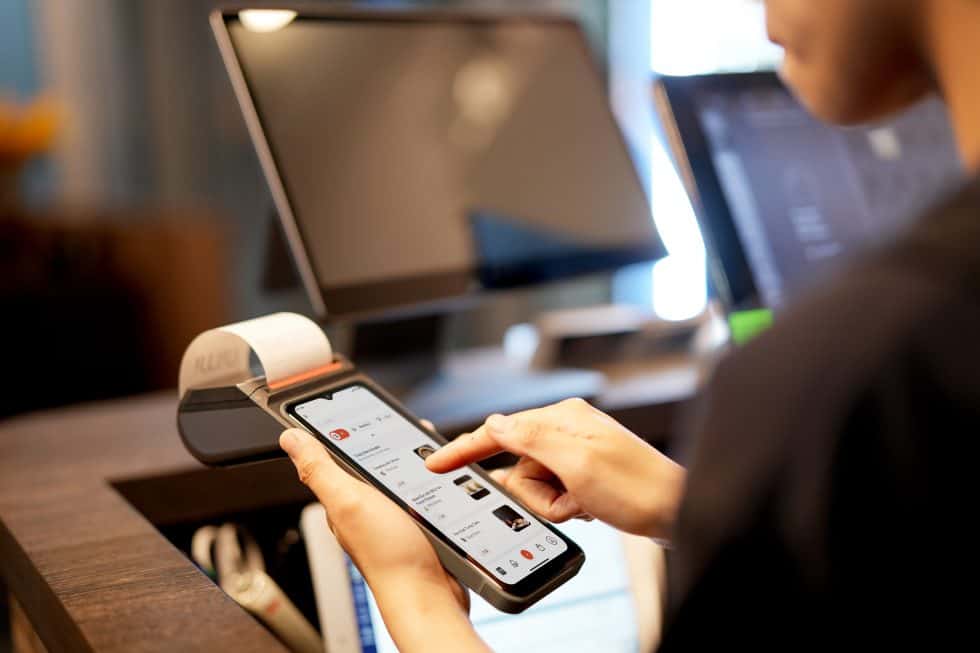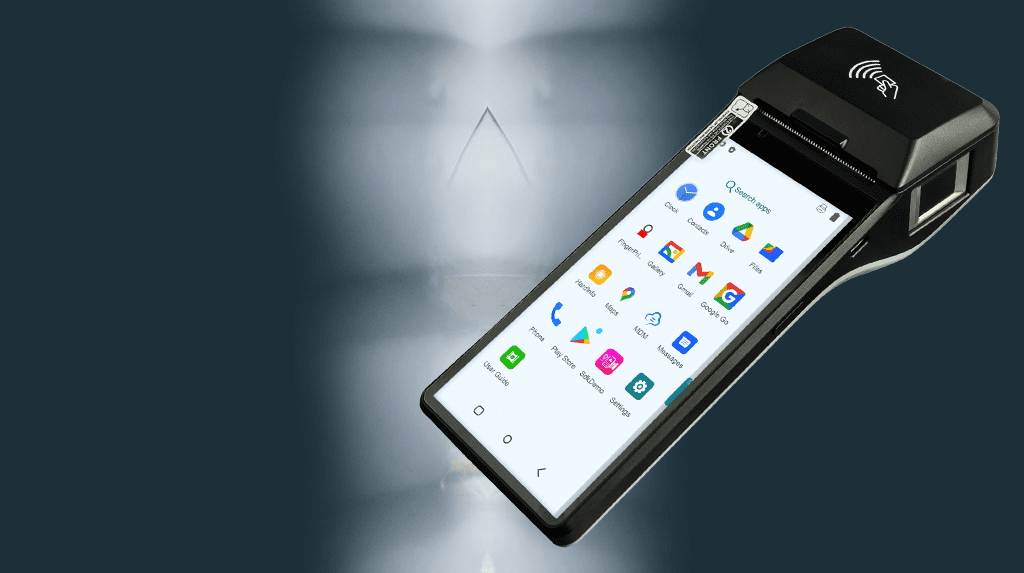
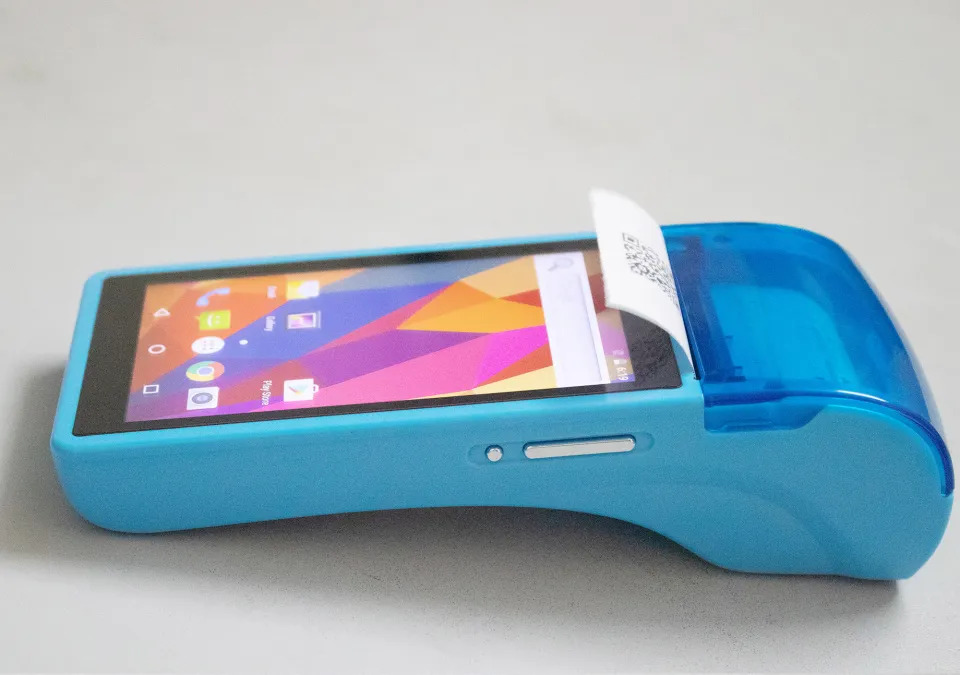
The Android POS Devices in Kenya market has been growing at an aggregated annual rate of 27.3% since 2019. That growth is not driven by hype — it reflects a concrete shift in how businesses are buying and deploying point-of-sale technology.
For years, businesses were locked into proprietary POS systems in Kenya and globally: expensive hardware, closed software, vendor-controlled update cycles, and little flexibility to adapt as their operations changed.
Android changed the equation. Its open architecture, hardware-agnostic ecosystem, and familiar interface have made it the operating system of choice for the next generation of POS hardware — used in retail counters, restaurant floors, and mobile deployments around the world.
This guide covers what an Android POS system actually is, why it holds real advantages over proprietary alternatives, what to evaluate before buying, and which deployment scenarios call for what kind of hardware.
The Real Advantages of Android Based POS Over Proprietary Hardware
The case for Android POS devices in Kenya is not just about price. The structural advantages of an open platform show up across the full lifecycle of a terminal deployment. When comparing your operating system options, understanding the key differences between Android POS and Windows POS can help clarify why modern businesses are shifting toward mobile-first architectures.
No vendor lock-in
Android empowers businesses to select hardware that aligns with their specific operational environments — from ruggedized tablets for warehousing to sleek devices for boutique retail. This flexibility eliminates dependency on expensive, proprietary hardware that locks users into a single ecosystem.
Access to a broad app ecosystem
Because Android is open, any developer can build for it — and most already have. Loyalty platforms, delivery integrations, inventory tools, and accounting software all have Android applications available through the Play Store. Businesses can assemble the software stack they need rather than accepting whatever the hardware vendor ships.
Hardware peripheral freedom
Android offers critical hardware flexibility — you can connect receipt printers, barcode scanners, card readers, and cash drawers through USB, Bluetooth, or standard interfaces. Android’s open ecosystem makes these integrations possible in ways that locked-down platforms simply cannot match.
Lower total cost of ownership
Updating menus or pricing does not require a site visit from a technician, saving costs and reducing downtime. Adding new features does not need custom development. A new venue does not mean building from scratch — it means the same system, deployed faster.
Support for the full range of payment methods
Android POS devices in Kenya give businesses the flexibility to meet consumer demands for payment choice — including traditional card payments, mobile wallets, bank transfers, contactless and NFC payments, and emerging alternative payment methods. These Android POS Devices in Kenya can also be used for KRA Etims Application for tax compliance
Developer agility
The Android ecosystem unlocks the ability to move beyond proprietary systems and allows acquirers, ISVs, and value-added providers to develop their own applications — opening new possibilities for banks, payment providers, and merchants to build differentiated checkout experiences.
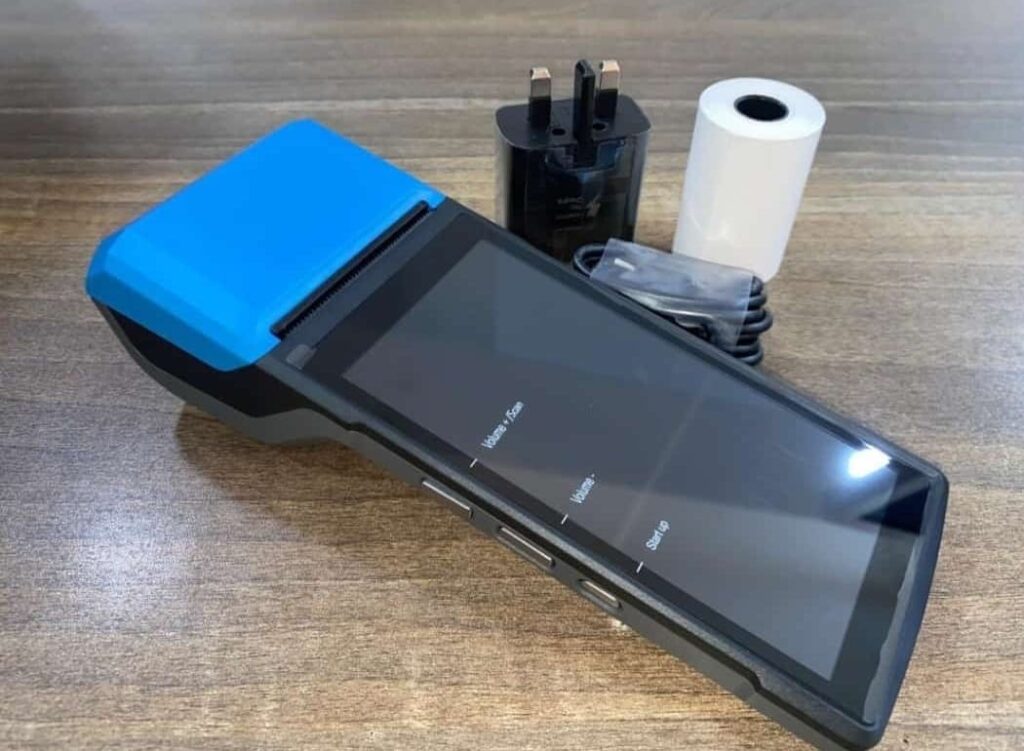
What to Look for in an Android Point of Sale Terminal: Hardware & Software Checklist
With dozens of Android POS terminals on the market, the right evaluation framework matters as much as the shortlist. Here are the dimensions that separate durable, scalable hardware from hardware that looks good on paper.
Operating System Version and Update Path
Android versioning matters for security and compatibility. Terminals running Android 12 or later have access to current APIs and security patches. More importantly, confirm that the manufacturer has a clear OS update roadmap — abandoned hardware running end-of-life Android is a security liability.
GMS Certification
Google Mobile Services certification determines whether the device can access the Google Play Store and receive Google’s security scanning through Play Protect. Non-GMS Android devices are limited to whatever the manufacturer provides — which may not be consistent or long-lived. For deployments where third-party app access and ongoing security matter, GMS certification is a baseline requirement, not a nice-to-have.
Processor and Memory
Underpowered hardware creates friction at the worst moment — during a transaction. For a primary checkout terminal handling multiple applications simultaneously, a minimum of 3GB RAM and an octa-core processor provides reliable performance headroom. Quad-core processors with 2GB RAM may suffice for single-application deployments but will show strain under load.
Display Configuration
For customer-facing retail or restaurant environments, a dual-screen setup — operator touchscreen plus a secondary customer display — improves the checkout experience and reduces input errors. Screen size should match the deployment: 10-inch and above for fixed countertop setups; 5 to 6 inches for handheld mobile use.
Connectivity
For fixed locations, Ethernet provides the most reliable connection. For tableside or mobile use, 4G LTE cellular connectivity is essential. Wi-Fi and Bluetooth are baseline expectations. Offline transaction support — the ability to store and process transactions when connectivity drops — should be confirmed for any mission-critical deployment.
Built-in Peripherals
Integrated thermal printers (58mm or 80mm), NFC readers, and camera/scanner modules reduce setup complexity and failure points compared to assembling from separate components. Each external peripheral is another potential point of failure.
Conclusion
At MaxPOS, we provide quality and reliable Android POS devices in Kenya. We don’t just sell the Android Systems, we assist you to select the most ideal for your use case and also do setups as well us ongoing support. Get in touch with us today via +254 724 948170 or Email or Visit our Shop.
Products by Category
-
Android Handheld POS Device eTIMS
Original price was: KSh 24,500.00.KSh 21,500.00Current price is: KSh 21,500.00. -
Micro Android POS Device 3GB/16GB Slim
Original price was: KSh 23,500.00.KSh 22,500.00Current price is: KSh 22,500.00.