
We Deliver Countrywide ||| ||| Prices Exclusive Taxes.
red light on barcode scanners in Kenya maxpos

Why Do Barcode Scanners Use Red Light?

Barcode scanning has become an integral part of many businesses nowadays. It is a convenient method of capturing the information needed for business operations like inventory management, sales tracking, and other processes. 

While barcode scanners in Kenya come in a variety of shapes and sizes, one thing that they all have in common is the use of red light. In this blog post, we will discuss the reasons behind the use of red lights in barcode scanning technology. 
Red light has the longest wavelength compared to other colors. The longer wavelength makes it perfect for barcode scanning because it can penetrate deeper into the barcode and extract more information. Red light also scatters less, resulting in more accurate scans.

Advantages of Red Light in Barcode Scanners

Increased Accuracy

Red light in barcode scanners increases scan accuracy. Because red light penetrates further into the barcode, it can capture more data and produce a more accurate scan. This is especially true when scanning smaller barcodes or ones with high information density.

Improve Readability

Red light improves readability. It is less likely to cause glare or reflections than other light colors, making it easier to read barcodes in bright or low-light environments.

Reduces Strain on the Eyes

Red light reduces strain on the eyes. Red light is less harsh on the eyes than blue or green light, which can cause eye fatigue over time. This is especially important for workers who use barcode scanners in Kenya for extended periods of time.

Alternatives to Red Light

Besides red light, other colors can be used in barcode readers.

Green and blue lights are also used in barcode scanners but come with caveats. Green light is more expensive and energy-intensive. In comparison, blue light is not compatible with some barcode types, is intense, costly and causes eye sensitivity. 

Yellow light was also tried in barcode scanning but was less effective than red or green at providing contrast. The shorter wavelength of yellow makes it difficult to scan barcodes from a distance. 

Other colors, such as cyan, blue and violet, have short wavelengths and hence are never used for barcode scanning.

Frequently Asked Questions

Does the Barcode Color Affect the Scanner’s Light Color?

No, the barcode colour does not affect the scanner’s light color. Barcode scanners emit a specific wavelength of light regardless of the barcode colour.

What are Some Common Applications of Barcode Scanners With Red Lights?

Barcode scanners in Kenya with red lights are commonly found in the retail, healthcare, and manufacturing industries.

In retail, they scan products at the point of sale (POS) systems like SimbaPOS

Healthcare uses them to track medical supplies and equipment.

Manufacturing uses them to manage inventory and the supply chain.

Conclusion

In conclusion, barcode scanners in Kenya & globally use red light because it is the most visible and efficient color for scanning barcodes. The use of red light enhances readability, accuracy, and precision while providing a safe and comfortable scanning experience.

As barcode technology continues to evolve, new lighting options may emerge, but for now, red light remains the gold standard for barcode scanning. We hope this article answered your question about why barcode scanners use red lights.

Products by Category

thermal label printer in Kenya

How to Choose the Right Thermal Label Printer in Kenya for Your Needs?

In modern retail, warehousing, and logistics, efficiency depends heavily on accurate labelling. A dependable label printer in Kenya ensures that products, shipments, and inventory are clearly identified, reducing errors and improving workflow. From barcode generation to product tagging, these devices are essential for businesses aiming to stay organized and productive.

However, selecting the right printer is only part of the process. Choosing compatible label rolls and understanding how different models function can make a significant difference in long-term performance. This guide explores key product options, consumables, and buying considerations based on our experience in the field

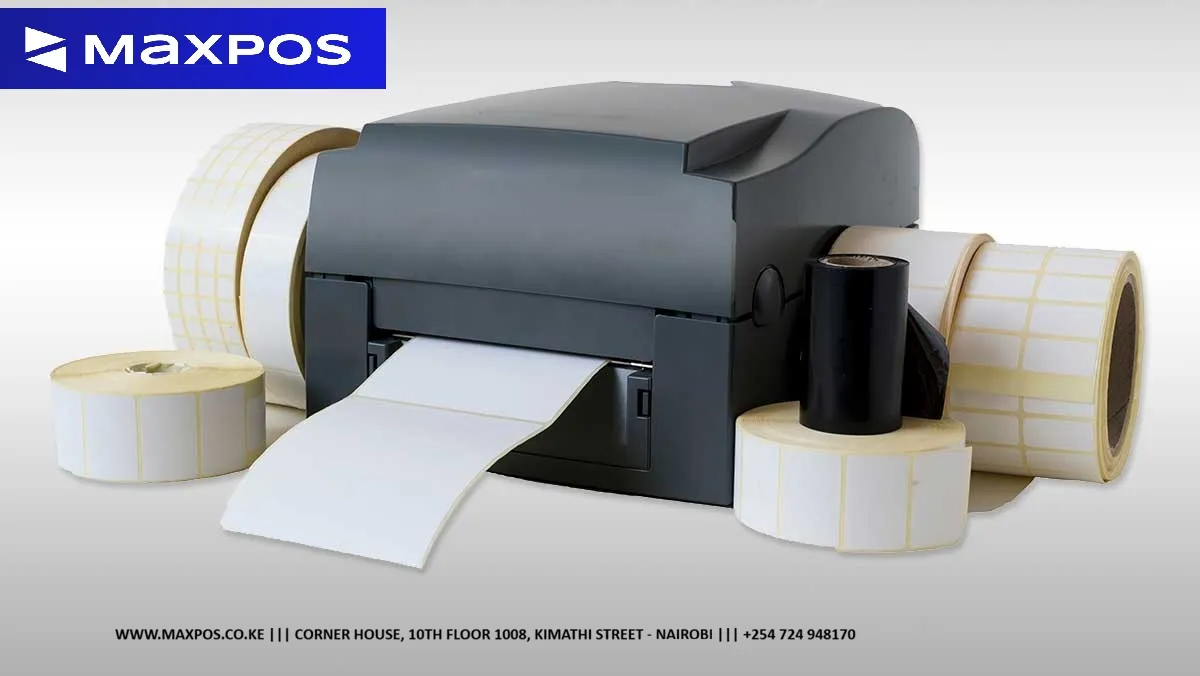
Across all the thermal label printers in Kenya that we provide, key characteristics include ease of use, compact design, and reliable connectivity. These printers are tailored for businesses that prioritize efficiency and require dependable output for daily operations.

Label Rolls: Types, Compatibility, and Practical Use

No label printer can perform effectively without the right label rolls. These consumables are essential for ensuring smooth operation and consistent print quality.

Label rolls are available in various sizes and formats to suit different printers and applications. Compatibility is critical—using label rolls that match your printer’s specifications ensures proper feeding and prevents operational issues. The referenced consumables page highlights the importance of selecting rolls that are designed to work seamlessly with your printer.

For general business use, label rolls are commonly used for barcode printing, product labelling, and inventory tracking. The clarity and consistency of printed labels depend on both the printer and the quality of the rolls used. Ensuring that labels are properly aligned with your device helps maintain readability and scanning accuracy.

Another important consideration is availability. Businesses that rely on continuous labelling operations should ensure a consistent supply of label rolls. Using compatible and reliable consumables reduces downtime and helps maintain workflow efficiency.

Buying Guidance: Choosing the Right Label Printer in Kenya

Selecting the right label printer in Kenya involves evaluating practical features that align with your operational requirements. Based on the referenced products, here are the key factors to consider:

1. Printing Method
Direct thermal label printers, such as the XPrinter XB-370B (direct thermal) and XB-470B, are ideal for straightforward labelling needs. They are simple to operate and require fewer consumables. Thermal transfer models, like the Zebra ZD230 thermal transfer version, provide added flexibility by supporting ribbon-based printing.

2. Connectivity Options
All the thermal label printers in Kenya by MaxPOS include USB and Ethernet connectivity, enabling easy integration into business environments. This allows multiple users or systems to access the printer, improving workflow efficiency.

3. Print Resolution
A 203 dpi resolution is standard across these models, offering clear and readable output for barcodes and product labels. This level of resolution is suitable for most retail and warehouse applications.

4. Ease of Integration and Use
Desktop thermal label printers are designed for simplicity. Features such as straightforward setup and user-friendly operation make them suitable for busy workplaces where efficiency is a priority.

5. Compatibility with Label Rolls
Ensuring that your printer supports commonly available label rolls is essential. This helps avoid compatibility issues and ensures consistent performance over time.

By focusing on these practical aspects, businesses can choose a label printer that meets their needs without unnecessary complexity.

Ensuring Quality, Reliability, and Trust

When investing in a thermal label printer in Kenya, reliability and long-term performance are critical. The referenced products come from established manufacturers such as XPrinter and Zebra, known for producing dependable printing solutions for business environments.

These printers are designed with durability and consistent output in mind, making them suitable for daily operational use. Their support for standard connectivity options and widely used label formats ensures that they can be easily integrated into existing workflows.

In addition to hardware, sourcing compatible label rolls from a reliable supplier helps maintain consistent performance. Using recommended consumables reduces the risk of printing issues and ensures that labels remain clear and functional.

Support and service availability also contribute to trust. Choosing products from recognised providers ensures access to assistance when needed, helping businesses maintain uninterrupted operations.

Conclusion

Choosing the right label printer in Kenya requires a clear understanding of your business needs, available product options, and consumable compatibility. Models like the XPrinter XB-370B series and XB-470 demonstrate how modern desktop printers combine simplicity, connectivity, and reliable performance.

Equally important is the selection of compatible label rolls in Kenya, which directly impact print quality and operational efficiency. By aligning your printer choice with the right consumables, you can ensure consistent and dependable results.

Ultimately, the best label printer in Kenya is one that fits seamlessly into your workflow, delivers clear and accurate output, and supports your day-to-day operations with reliability and ease.

Discover how to choose the right label printer, explore top models, and find compatible label rolls for reliable, efficient business printing – all from MaxPOS

Recommended products

pos in kenya by maxpos

Essential Guide to Selecting a POS System in Kenya for Your Business

Selecting a POS system in Kenya for your business can seem overwhelming, but it is essential for improving efficiency and customer satisfaction. The right system can make transactions smoother, manage inventory effectively, and even help analyze sales data. This guide will break down the key considerations you should keep in mind when choosing a system that fits your unique business needs.

What is a POS System?

Understanding the Basics

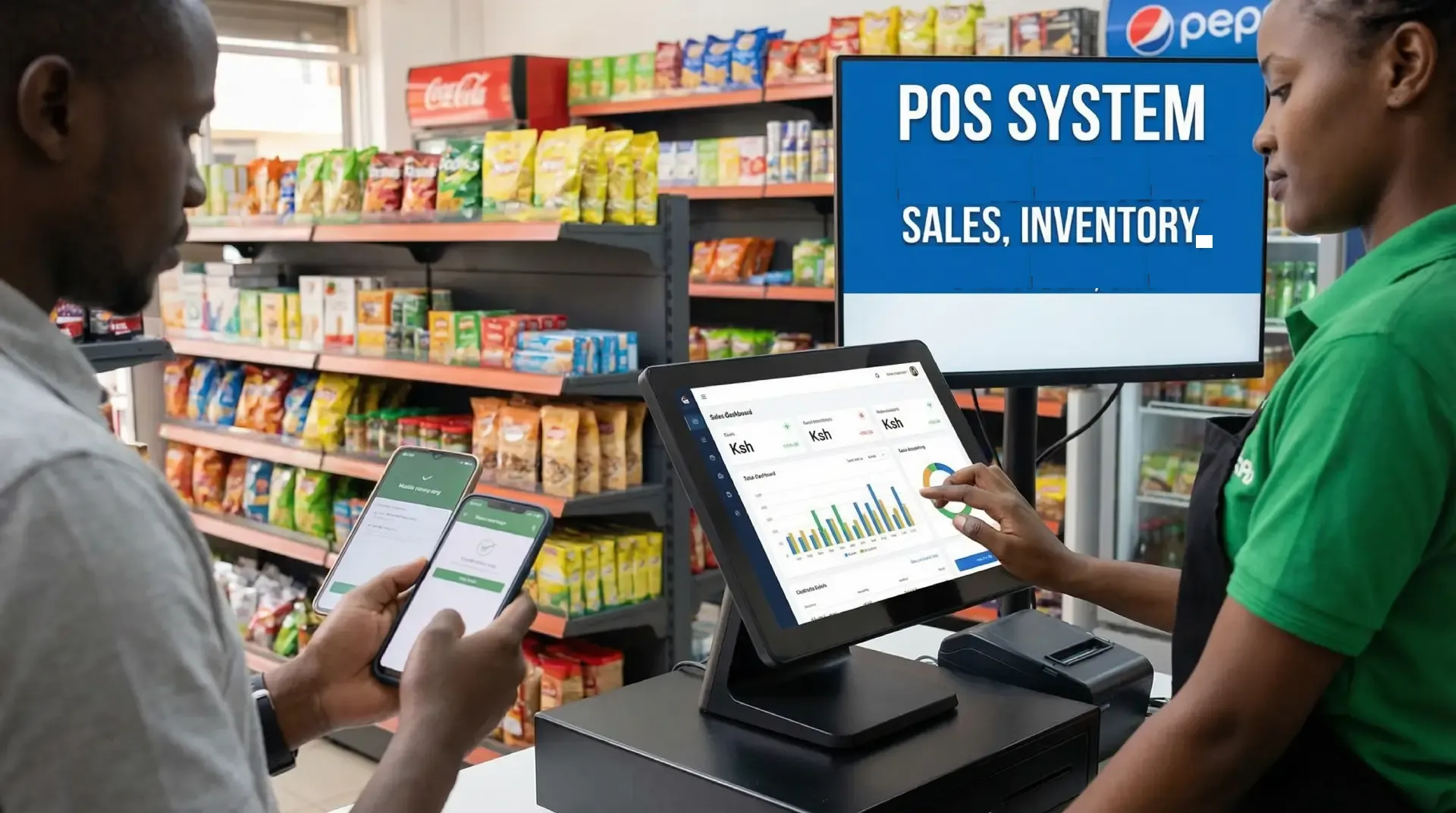
A POS (Point of Sale) system in Kenya is a combination of hardware and software that allows businesses to make sales. It is more than just a cash register; it can track sales, manage inventory, and record customer data. Using a modern POS system helps streamline operations across various industries, including retail and hospitality.

How a POS System Works

When a customer is ready to make a purchase, the POS system in Kenya calculates the total, processes the payment, and updates inventory levels automatically. Essentially, it serves as the central hub where all sales activity takes place, bridging the gap between customer transactions and inventory management.

Assessing Your Business Needs

Identifying Key Features

Every business is different, so it’s crucial to identify the features that matter most to you. Do you need robust inventory management, or is it more vital to have detailed sales reporting? Consider how your business model will influence the features you require for efficiency and effectiveness.

Types of Businesses That Benefit

Retail stores, restaurants, and service-based businesses can vastly improve operations by implementing a suitable POS system. For example, restaurants may prioritize order processing capabilities, while retail businesses might focus more on inventory tracking and sales analysis.

Key Considerations When Selecting a POS System in Kenya

Budget and Costs

Your budget plays a significant role in selecting a POS system. Be sure to consider both upfront costs and ongoing expenses, including subscription fees, hardware requirements, and transaction costs. A comprehensive understanding of costs will help you avoid surprises down the line.

Integration with Current Systems

  • Ensure the POS can integrate seamlessly with existing software (e.g., e-commerce platforms, accounting software).
  • Ask about APIs or other integration options available from different vendors.
  • Check if the system supports mobile payments and contactless transactions.

Security Features Are Essential

Protecting Customer Data

Security is paramount in any POS system in Kenya. Look for features like encryption, secure payment processing, and compliance with industry security standards (such as PCI DSS). Ensure that the POS system can protect sensitive customer information and prevent potential data breaches.

Fraud Prevention Measures

In today’s digital world, a reliable POS should have built-in fraud detection measures. Ask prospective providers about their security protocols and how they intend to safeguard your business against potential threats.

Final Steps Before Making a Decision

Testing the System

Before deciding on a POS system, request demos or trials from vendors. This hands-on experience will help you better understand the interface and assess how well it meets your business needs. Interaction with the system can highlight both strengths and weaknesses.

Evaluating Vendor Support

Good vendor support is essential for a smooth transition and ongoing operation. Investigate customer reviews to understand how responsive vendors are. Prioritize those who offer extensive training resources and accessible customer service options to assist your staff.

Conclusion

Selecting a POS system in Kenya for your business is a critical step toward enhancing efficiency and customer satisfaction. By thoroughly assessing your business needs, considering budgetary constraints, and ensuring robustness in security, you can choose a system that will grow with your business. Remember to take advantage of trials and demos from vendors to gain firsthand experience with their systems. With careful consideration, you’ll find the right POS solution that meets your operational needs and supports your customer engagement strategies.

FAQs

What is the average cost of a POS system?

The cost varies widely based on features and vendor, but most systems can range from a few thousands to several thousand shillings depending on hardware and software requirements.

Can I integrate a POS system with my existing e-commerce platform?

Yes, many modern POS systems offer integration options with popular e-commerce platforms to streamline operations across online and physical stores.

Are there mobile POS options available?

Yes, many vendors offer mobile POS solutions that allow you to take payments anywhere, enhancing customer experience and flexibility.

What should I do if I encounter an issue with my POS system?

Contact your vendor’s customer support. Most reputable vendors provide 24/7 support and resources for troubleshooting common problems.

Take Action Today to Grow Your Business

At MaxPOS Systems, we empower Small & Medium Businesses (SMEs) to grow by providing Quality & Affordable POS Solutions. We are a one stop shop for POS Software and Hardware plus knowledgeable experts to guide you as you automate your business. We don’t just sell POS Solutions, we walk with you help you Manage and Grow your business. Contact us today on +254 724 948170 to get started today.

Back to Top
Product has been added to your cart
Compare (0)