Barcode technology has become the backbone of modern retail, logistics, and inventory management. Whether you run a small shop or a large warehouse, choosing the right barcode scanner in Kenya can significantly improve efficiency, accuracy, and customer experience. With a wide range of devices available today—from basic readers to advanced wireless solutions—understanding your options is key to making a smart investment.
Drawing on industry insights and product trends from leading suppliers, this guide breaks down everything you need to know about barcode scanners in Kenya, including types, applications, buying tips, maintenance, and future developments.
What Is a Barcode Scanner and How Does It Work?
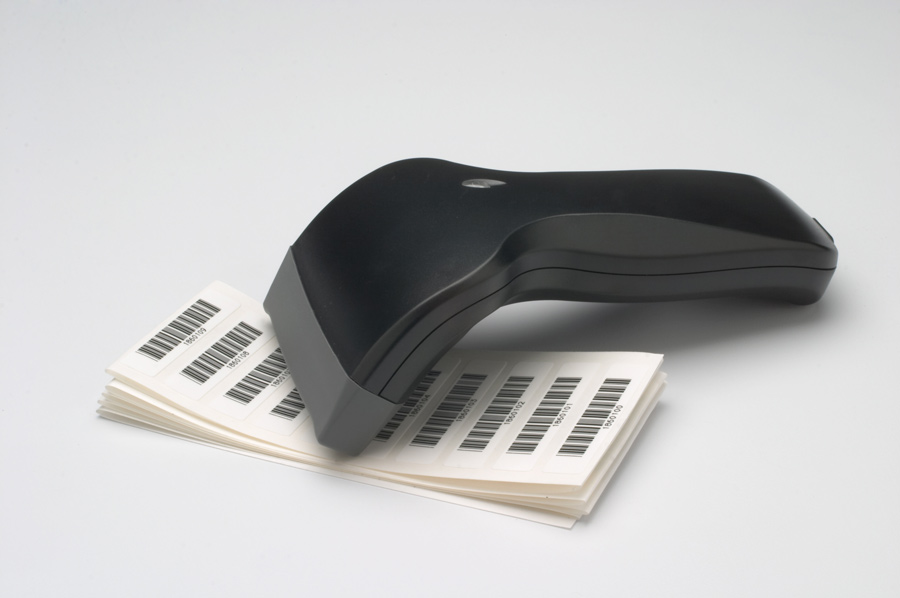
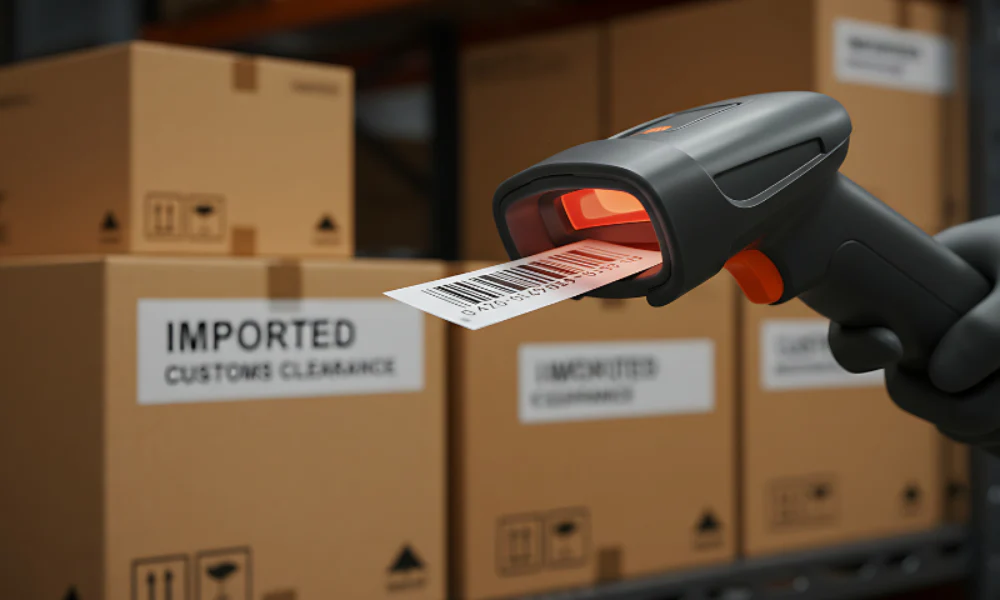
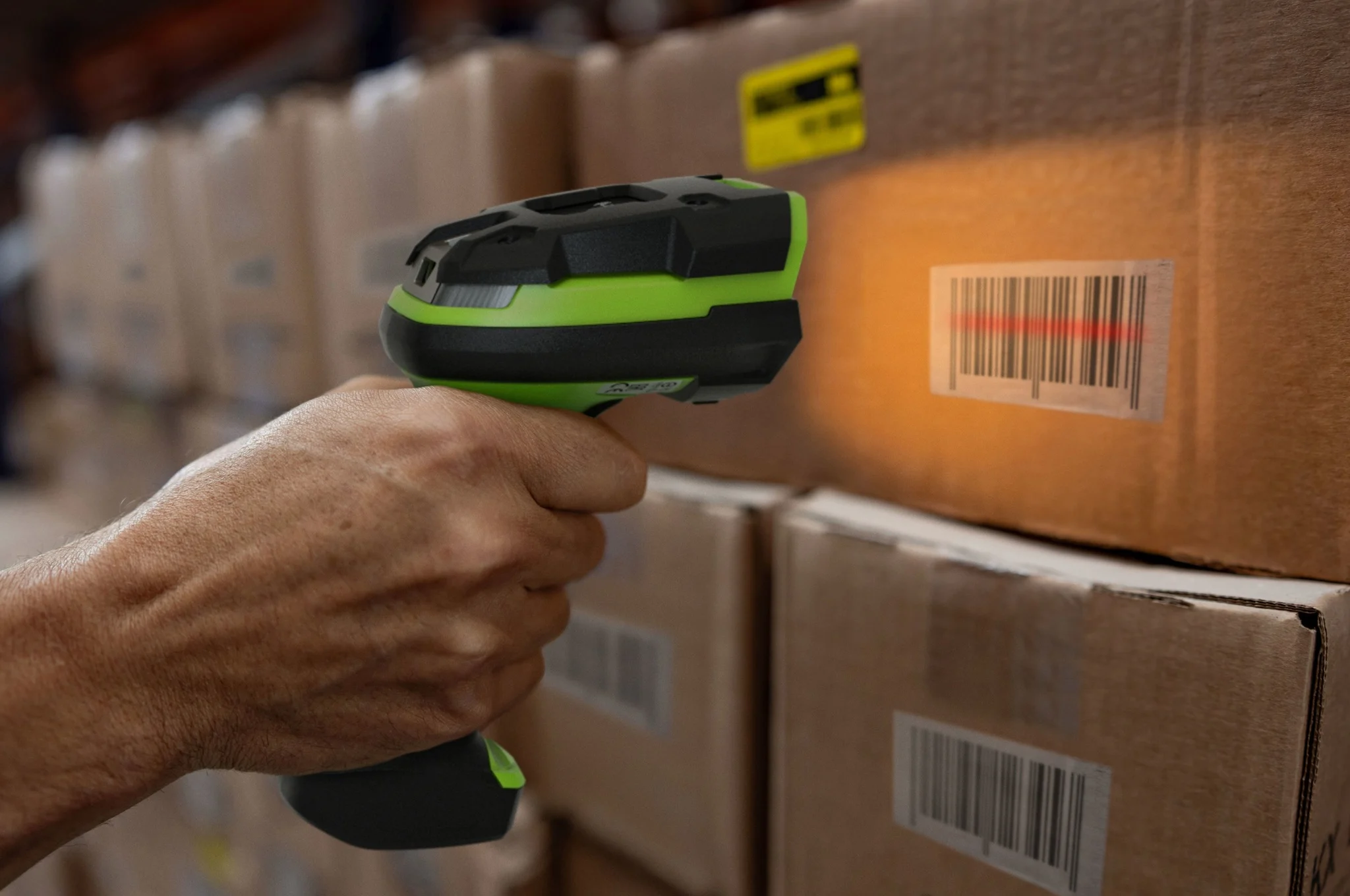
A barcode scanner machine is an electronic device that reads printed barcodes and converts them into digital data. This data is then sent to a computer or POS system for processing, helping businesses track products, manage stock, and complete transactions quickly.
Most devices consist of three core components:
- A light source (laser or LED)
- A sensor to capture the reflected light
- A decoder to translate the pattern into readable information
- From a simple barcode reader at a checkout counter to advanced POS barcode scanners integrated into full retail systems, these devices are designed to reduce human error and speed up operations.
Types of Barcode Scanners Explained
Choosing between different types of barcode scanners for sale can be overwhelming, but understanding the main categories makes it easier.
1D vs 2D Scanners
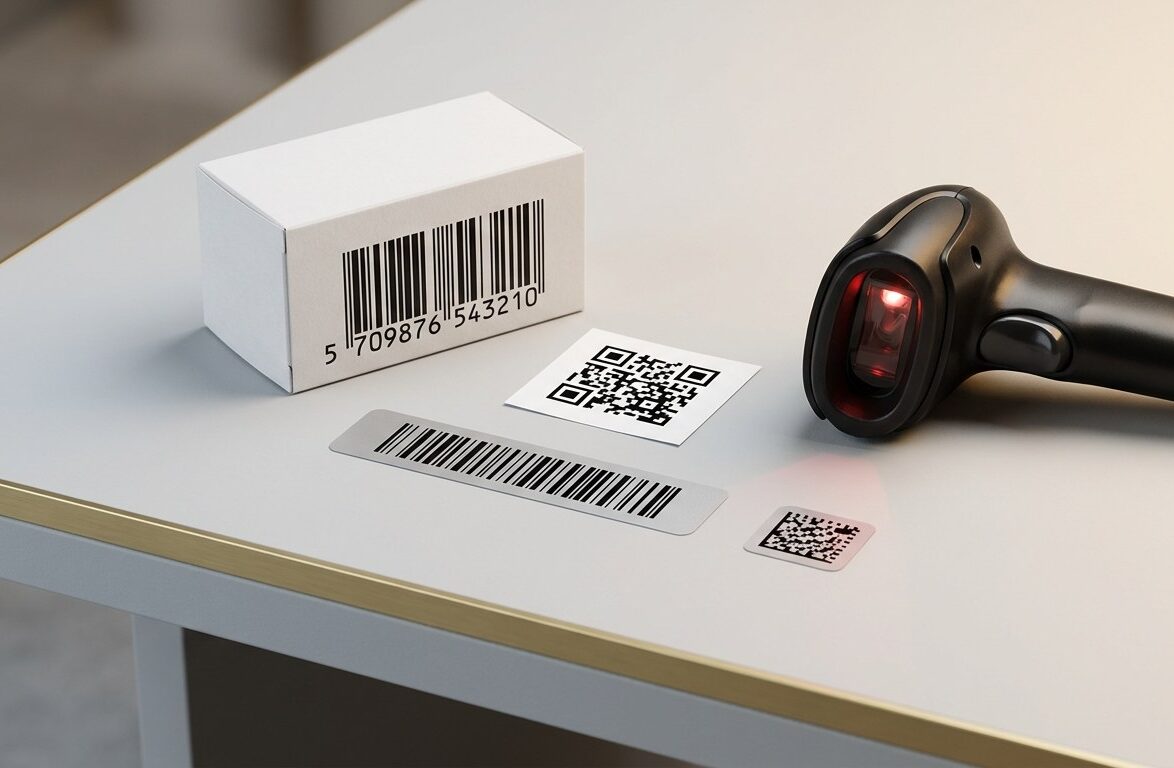
- A 1Dbarcode scanner reads traditional linear barcodes found on retail products.
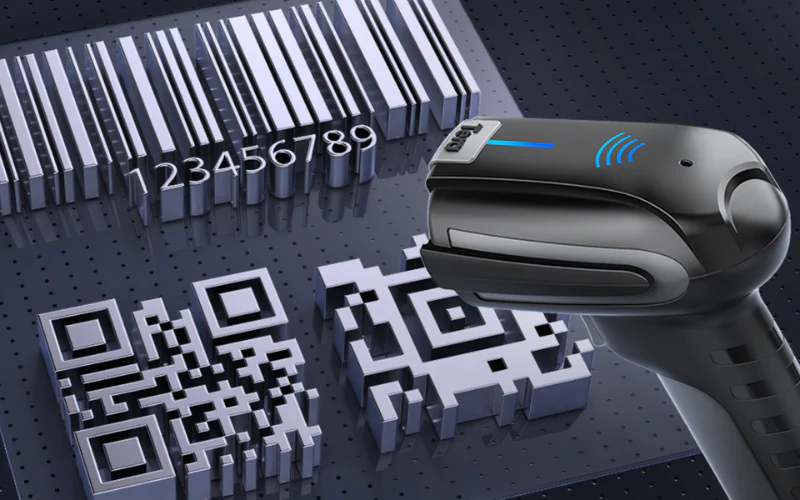
- A 2D barcode scanner can scan more complex codes like QR codes, which store more data and are increasingly used in payments and marketing.
If your business deals with digital payments or mobile interactions, investing in a QR code scanner or QR scanner is essential.
Handheld and Fixed Scanners
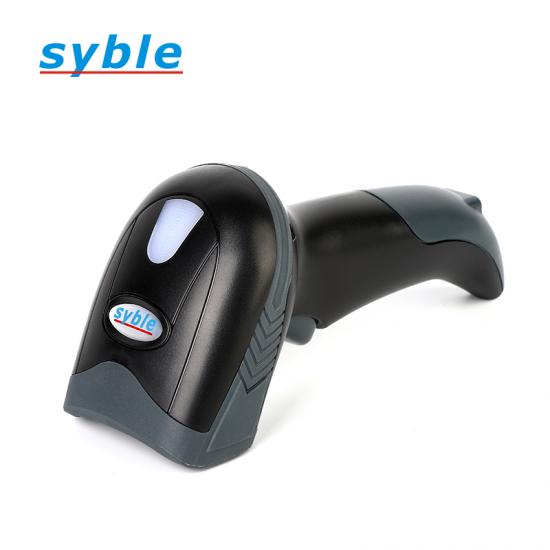
- Handheld barcode scanners in Kenya are the most common, offering flexibility for retail and warehouse use.
- A handheld scanner is ideal for mobility, especially when scanning items in bulk or on shelves.
Wireless and Wired Options
- Wireless barcode scanners provide freedom of movement and are perfect for large spaces.
- A wireless scanner reduces cable clutter and improves productivity in dynamic environments.
Laser vs Imaging Scanners
- A Laser Scanner is highly accurate for 1D barcodes and performs well over long distances.
- Imaging scanners (used in most best barcode scanners) can read both 1D and 2D codes and even damaged labels.
Common Use Cases Across Industries
Barcode scanners are no longer limited to retail. Their applications span multiple industries:
Retail and POS Systems
In shops and supermarkets, POS barcode scanners streamline checkout processes, reduce queues, and improve customer satisfaction. They also integrate seamlessly with inventory or POS systems.
Warehousing and Logistics
A barcode scanner machine helps track shipments, manage stock levels, and ensure accurate order fulfillment. Wireless barcode scanners are particularly useful in large warehouses.
Healthcare
Hospitals use barcode systems to track medications, patient records, and equipment, improving safety and compliance.
Hospitality and Events
From ticket scanning to inventory tracking, a QR code scanner plays a crucial role in fast-paced environments like restaurants and event venues.
How to Choose the Best Barcode Scanner in Kenya
When looking to buy barcode scanners, it’s important to match the device to your business needs. Here are some practical considerations:
1. Type of Barcodes You Use
If you only scan standard retail codes, a 1D barcode scanner may be sufficient. However, for versatility, a 2D barcode scanner is a better long-term investment.
2. Working Environment
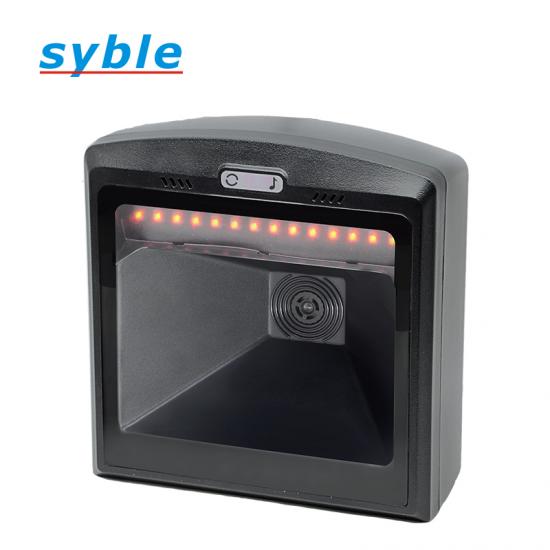
- Retail counters benefit from compact, wired models.
- Warehouses often require rugged handheld barcode scanners with wireless capabilities.
3. Connectivity
Decide between USB, Bluetooth, or Wi-Fi. A wireless scanner is ideal for mobility, while wired options are more cost-effective.
4. Durability
If your scanner will be used in demanding conditions, choose a rugged model designed to withstand drops and dust.
5. Budget vs Features
While searching for barcode scanners for sale, balance cost with functionality. The best barcode scanners may cost more upfront but offer better performance and longevity.
Maintenance Tips for Long-Term Performance
To ensure your barcode scanner performs reliably over time, regular maintenance is essential:
- Keep the lens clean: Dust and smudges can affect scanning accuracy.
- Avoid drops and impacts: Even rugged devices benefit from careful handling.
- Update firmware: Manufacturers often release updates to improve performance.
- Check cables and batteries: For wired and wireless devices, ensure connections and power sources are in good condition.
- Store properly: Keep scanners in a safe, dry place when not in use.
- Simple maintenance can extend the lifespan of your barcode reader and prevent costly downtime.
Conclusion
A reliable barcode scanner in Kenya is more than just a tool—it’s a critical component of modern business operations. From speeding up checkout lines to improving inventory accuracy, the right scanner can transform how you work.
Whether you’re exploring barcode scanners for sale for the first time or upgrading to the best barcode scanners available, focus on your specific needs, environment, and long-term goals. By choosing wisely and maintaining your device properly, you can ensure consistent performance and a strong return on investment.
As technology continues to evolve, barcode scanners will only become smarter, faster, and more versatile—making now the perfect time to invest in the right solution for your business.
-
1D XB Wired Laser Barcode Scanner
Original price was: KSh 4,500.00.KSh 4,000.00Current price is: KSh 4,000.00. -
XB 802D 1D 2D Desktop Tablemount Barcode Scanner
Original price was: KSh 12,000.00.KSh 10,000.00Current price is: KSh 10,000.00.