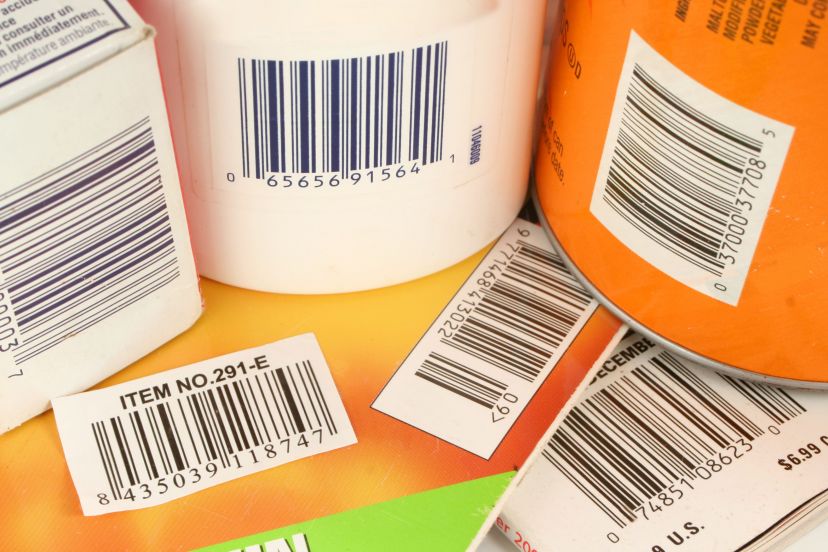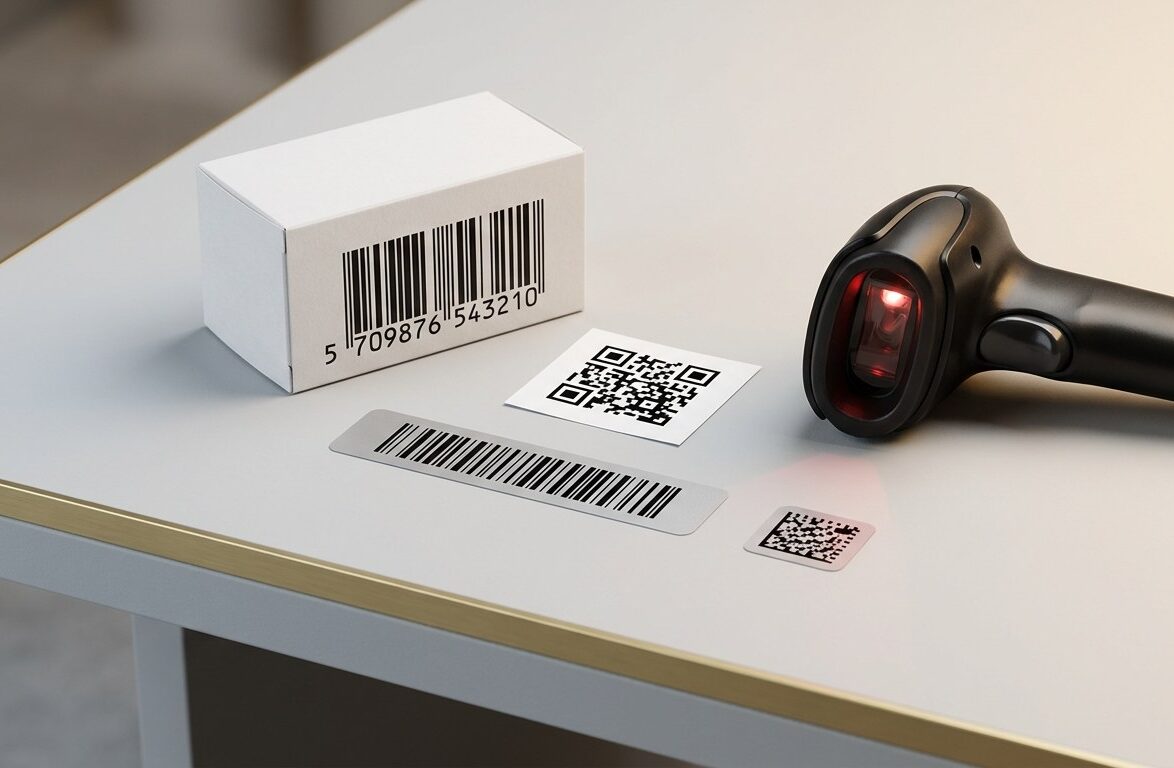
Barcodes in Kenya are the backbone of modern business operations. From warehouses and factories to hospitals and retail stores, a quick scan keeps operations moving and data accurate. But what happens when your barcodes fade over time? Unreadable barcodes in Kenya cause slowdowns, missed shipments, compliance issues, and frustrated customers.
The good news is that fading can be prevented with the right approach. Let’s look at why barcodes fade, what you can do in the short term, and how to protect your labels long term!
Why Do Barcodes Fade?
There are several reasons barcodes lose clarity:
- Sunlight and heat – UV rays and high temperatures can cause labels to discolor or lose contrast.
- Moisture and chemicals – Cleaning solutions, humidity, and industrial chemicals can eat away at ink or paper.
- Handling and friction – Frequent touching or abrasion wears down the printed surface.
- Low-quality materials – Paper labels are affordable but often fail in rugged or outdoor conditions.
- Printer and ribbon mismatch – Using the wrong ribbon for the label stock can drastically shorten label life.
Quick Fixes for Faded Barcodes
If you notice fading labels in your operation, try these immediate steps:
- Reprint labels as soon as fading is detected.
- Adjust printer settings for a darker, higher density output.
- Apply thermal labels in areas less exposed to sunlight or chemicals.
- Add protective overlays or laminates for extra durability.
Long-Term Solutions to Prevent Fading
The best way to solve barcode fading is to prevent it before it starts. Here’s how:
1. Pick the Right Printing Method
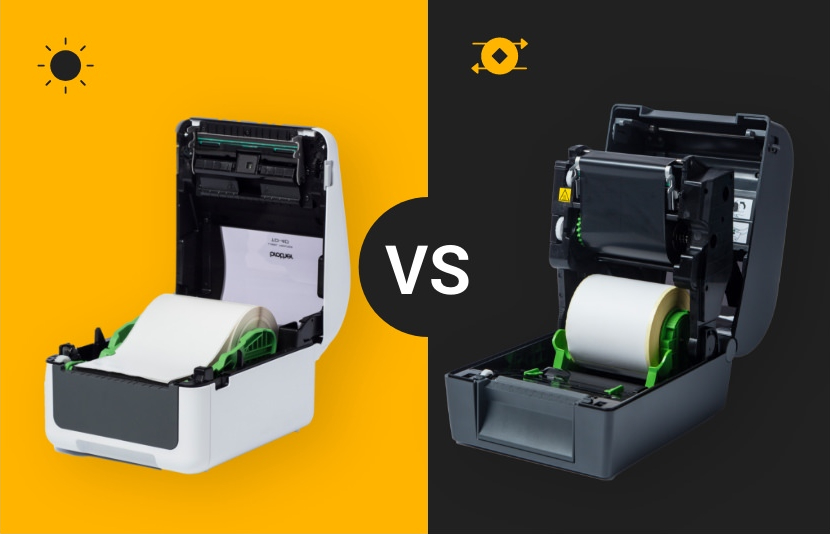
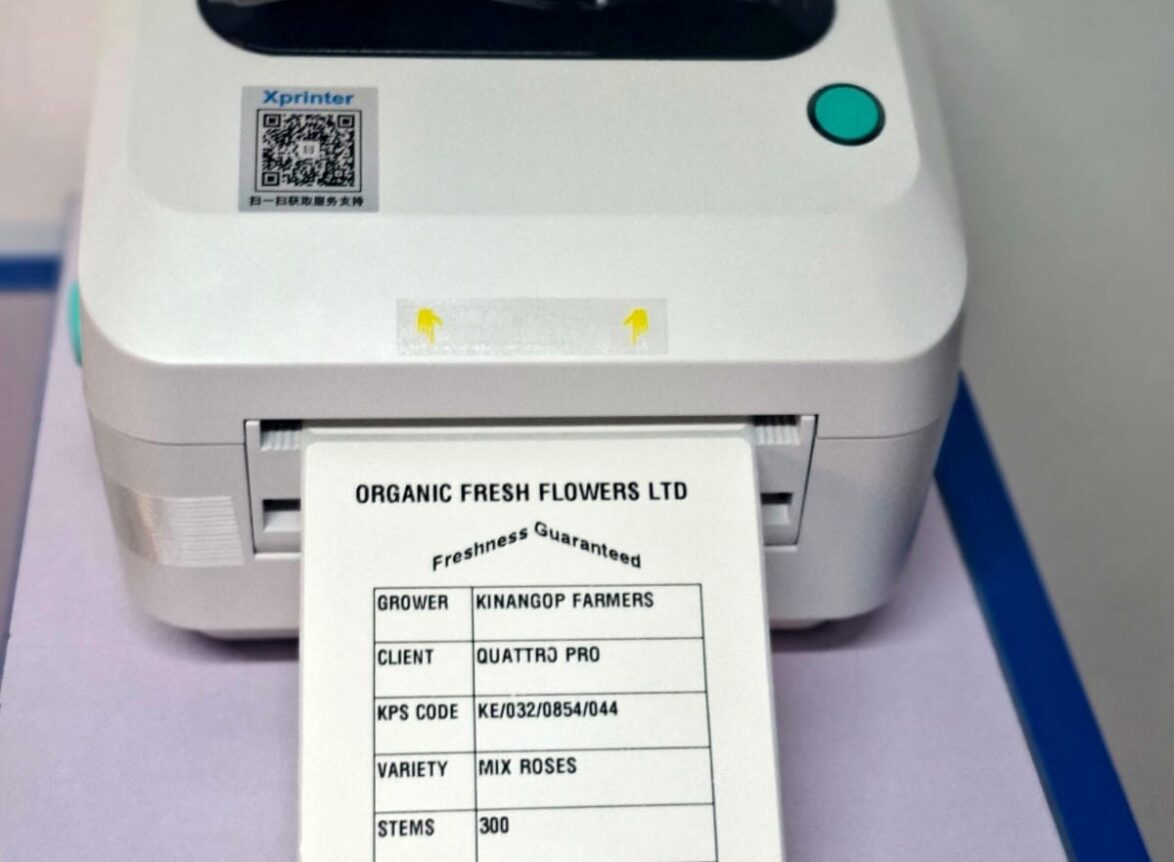
- Direct thermal printing is cost-effective for short-term use like product price barcodes, shipping labels, but fades faster with heat and light. You also need to get the right thermal barcode label printer in Kenya that prints quality barcodes.
- Thermal transfer printing uses ribbons and specialty media for long-term durability, making it a better choice in demanding environments.
2. Match Ribbons and Labels Correctly
Thermal transfer printers rely on the right ribbon and label pairing. Wax ribbons are suitable for standard paper labels, wax/resin blends handle moderate exposure, and full resin ribbons give the highest resistance to chemicals, water, and abrasion.
3. Upgrade to Durable Label Materials
Synthetic labels such as polyester, polypropylene, and vinyl are designed to resist fading, tearing, and chemical damage. These are essential for industries where labels need to last months or even years.
For thermal label rolls in Kenya, it’s also important to source from the right supplier to ensure high quality water proof / dust proof labels that will not fade or get damaged in a short time.
4. Add Verification to Your Workflow
Barcode verification tools check label quality as they are printed. This helps catch low-contrast or fading issues before they disrupt operations.
5. Partner With an Expert Supplier
A trusted supplier like MaxPOS can help you choose the right combination of printers, labels, and ribbons for your specific needs. This ensures long-term performance and fewer headaches down the road.