One of the most important aspects of keeping inventory in order is the barcode system in Kenya that you use. It doesn’t matter if you’re using your own barcodes, GS1 barcodes or UPC reseller barcodes – what matters is that you’ve got a system that automates the tracking of a product from the time it’s received from the supplier until it sells.
Barcodes in Kenya for your inventory can tidy up an entire store by eliminating errors that are common among manual entry systems. The added efficiency enables you scale production and make leaps in growth. However, before you get started with making your own barcode system in Kenya, there’s a few things to consider.
Can you justify the cost of barcoding for your small startup? Are barcodes really necessary or are they just inane additions that drive up inventory management costs?
Every retailer wonders whether investing in a barcoding system in Kenya right away is really a good idea. The truth is that if you are planning on scaling production, barcodes are a must-have. If you want to be a supplier to Carrefour, Naivas or any other larger store, you can’t do without them.
Assuming that you want a smooth flow of items in and out of your inventory system or retail business, then you probably need an affordable, flexible and practical way of creating your own barcodes. We’ve prepared a comprehensive and straightforward step-by-step guide that can help you choose an appropriate barcode system for your business.
Step #1: Know If You Really Need To Create A Barcode System
Even if your business is a small startup with 2, 3 or just 10 employees but still, you may need a system that can automate tracking of items in stock. For internal operations, you can start cheaply with just a barcode software, barcode or label printer and barcode scanner.
Juggling spreadsheets, paperwork and other administrivia can be frustrating for your team. Memorizing all the products and keeping track of new products can be mind-numbing and inefficient. Barcodes, on the other hand, enable you to store the data of each product electronically.
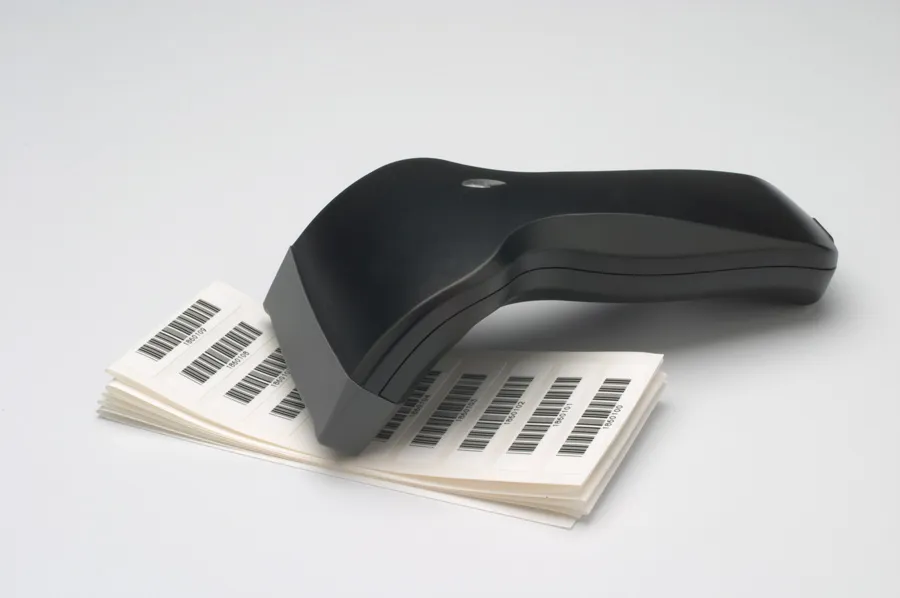
A barcode scanner in Kenya paired to a computer reads the information encoded on the ‘vertical bars’ instantly. This makes the inventory management process efficient and accurate, and it’s definitely something you should think about if you’re building a business to scale in the near future.
Your business might be small, but you want to give it a professional touch as much as you can.
Ultimately, you’ll need a barcoding system if you want to:
- Make inventory management efficient and accurate
- Brace for scalability
- Give your small business professional touch
- Save costs – you’ll need few employees to operate the barcode system
- Promote accountability
- Get ready to ship to leading retail stores
There is a perception that generating and integrating barcodes is an expensive investment for small businesses. Actually, it is inexpensive and an easy task, especially if you want to pave the way for scalability.
Step #2: Know The Actual Cost of Creating Your Own Barcodes
The issue about costs and barcodes boils down how you’d like to sell your product. Is it through local retail stores or are you handling fulfillment from your own shop? There are typically three options for you to choose if cost is the only factor you are considering.
Option 1: Free
If you’re selling your product at your own stores or from your own site, the entire process is inexpensive. Below is a checklist for setting up your own barcode system if you don’t intend to sell your products through other retailers.
- Know the different types of barcodes (ID, 2D barcodes and QR barcodes) and select one that’s appropriate for your needs
- Barcode generator to create SKUs (stock keeping unit)
- Standard barcode labels.
- Barcoding software
- Barcode scanners
This is for barcodes that you can use for only internal operations
Option 2: Cheap
If you’re selling or distributing to local supermarkets like Naivas, Carrefour, Quickmart etc, you will need to source more ‘standard and unique barcodes’ from resellers.
Once you get your barcodes from a legitimate reseller, you can print them directly on your products or labels. Note that with this method, you may not have the flexibility of creating your own naming convention for your products, though some resellers can have options that enable you to do so at an extra cost.
With this option, the product codes would be under the name of the company that’s reselling the codes. Despite the inconveniences, it works well for small businesses that want to sell and ship their products overseas via reputable online stores.
Option 3: Expensive
To get your own barcodes registered under the name of your business, you need to obtain a GS1 license prefix. In Kenya, there’s an authorized GS1 Licensee who provides globally recognized barcodes under the GS umbrella You fill an application that typically takes no more than 48 hours to be processed. The advantages of having a GS1 prefix are:
- You can sell your products through every retailer
- One standard to use with all trading partners – for distinguishing trade items, location, logistic units and assets throughout the supply chain.
- You have the flexibility of naming your products as you want
- It makes your business appear more professional
- Improved communication between your company and retailers
Step #3: Name Your Products
Except for some UPC/EAN reseller barcodes, you have the capability of creating a naming convention for your products. So, whether you’re making barcodes using Microsoft Word/Excel, online barcode generators, or the GS1 prefixes, you need a way of creating unique codes for each of your items.
Your naming convention will actually determine the exact number of barcodes you need. Every specific item should have its unique code. If you’re selling, say, a pair of shoes and it’s a formal office shoe that’s black, leather, laced and size 12, you’ll have a code with 6 components.
Note that the type of barcode you choose will dictate the amount of information you’ll encode. Barcode software paired with a scanner decodes the information instantly every time the code is passed through the scanner.
Step #4: Print the Barcodes
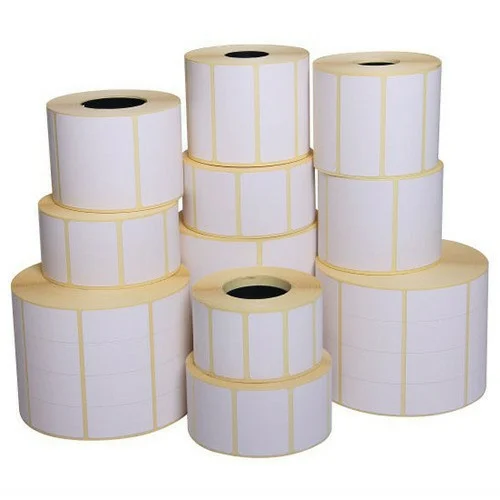
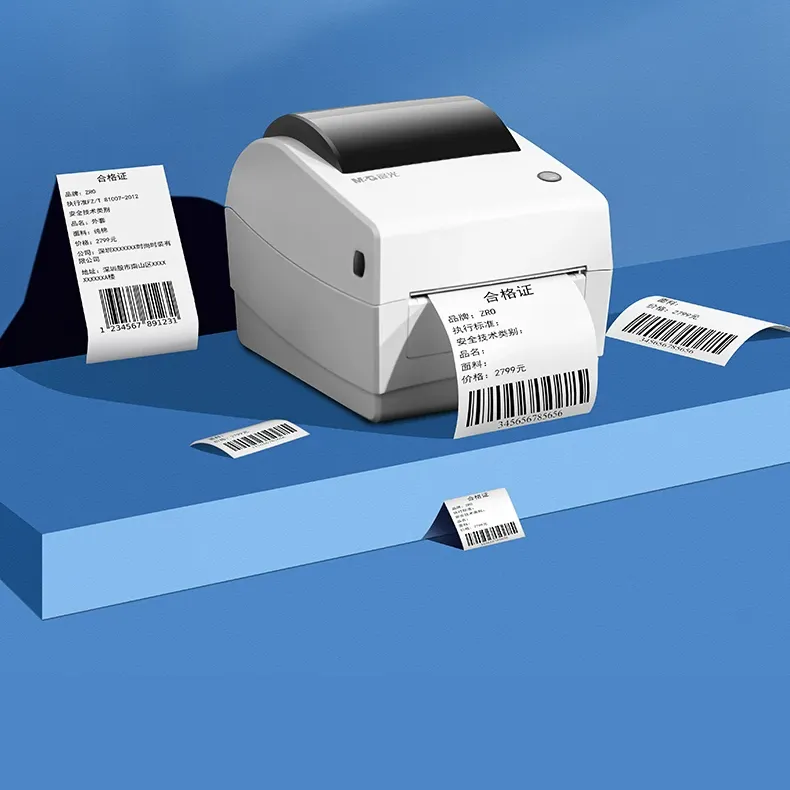
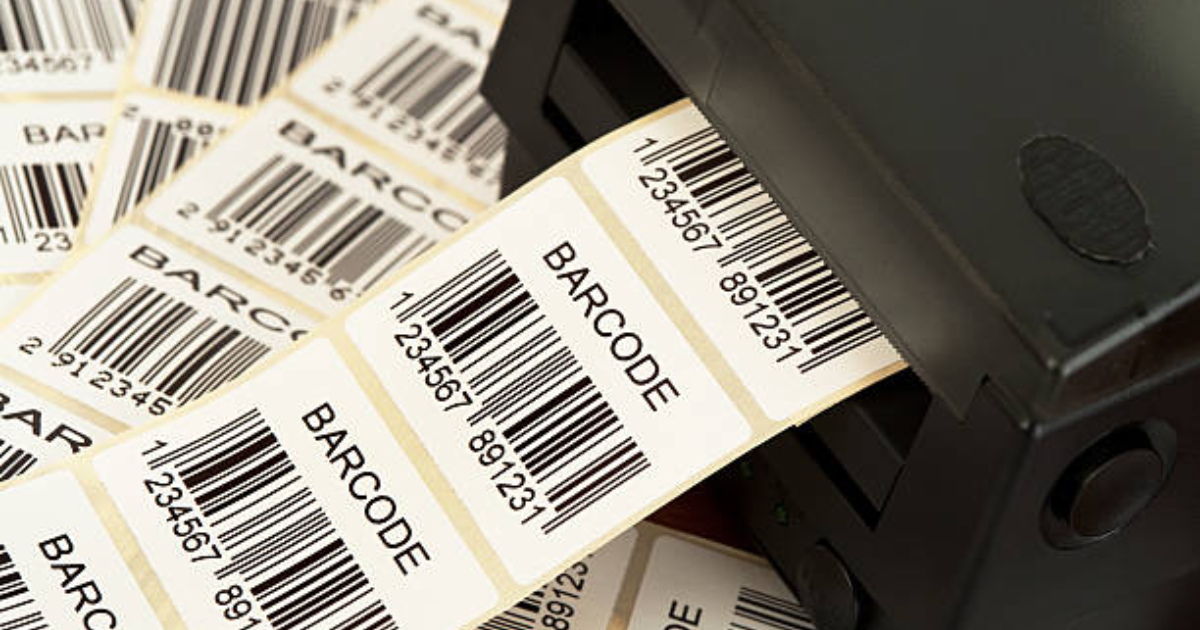
You can use the conventional printers or specialized barcode label printers in Kenya. What’s important is acquiring quality labels. You can shop for labels at your local stationery shop or specialized companies that sell labels
Step #5: Test the Codes
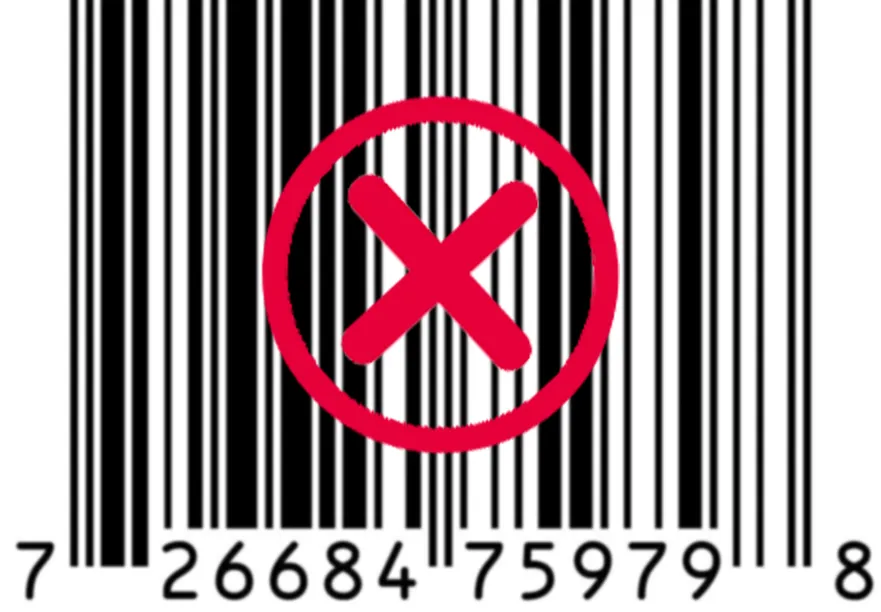
Print a few codes and test them by scanning with your barcode scanner. Barcodes should generally work. If they don’t, just resize them as per the requirements of your scanner. Note that some scanners can just decode information from certain barcode types.
Making your own barcodes shouldn’t be a daunting task if you have the information above at your fingertips. The process starts by deciding whether your business needs a barcode system, then selecting where you’d want to procure your barcodes, all the way to printing and testing them.
If you need help with creating barcodes, getting barcode printers in Kenya, barcode labels or barcode scanners, get in touch with us via Call or Email or visit our shop!
Barcode Printers in Kenya at MaxPOS
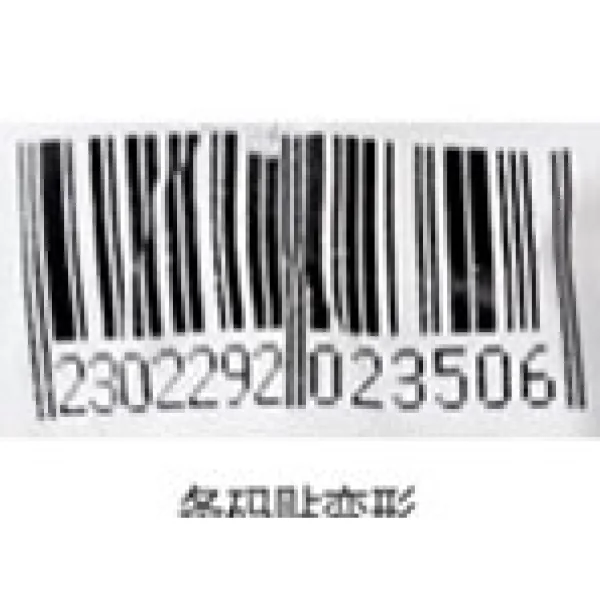
Now that you have your barcode labels, you need to print them. A substandard print job can leave your barcode warped, smudged or completely unreadable. At best, this leads to reprints, which eat up your time and materials; at worst, it leaves you unable to sell your products.
That’s why it’s important to use a barcode printer in Kenya you can trust. If you’re looking for a reliable barcode printer, look no further than MaxPOS. We offer a wide range of barcode printers from quality manufacturers, implementing direct thermal, thermal transfer and inkjet technology. Browse our selection of barcode label printers here or contact us today and have one of our certified experts guide you through your purchase.